


A Practical Buying Guide for Modern Metal Fabrication Units
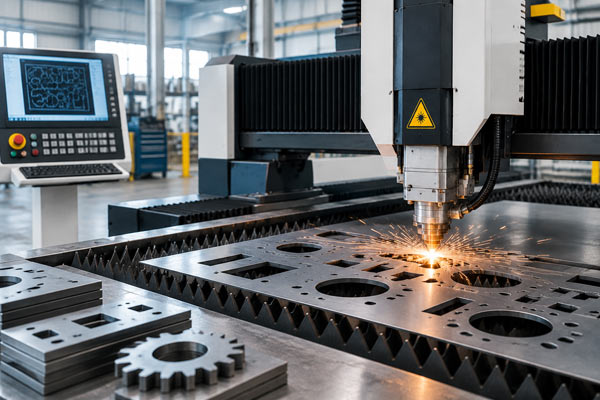
A laser cutting machine can improve production speed, part accuracy and design flexibility in a metal fabrication unit. However, these benefits depend on choosing a machine that matches the material, thickness range, component size and daily workload.
A capable Laser Cutting Machine Supplier does more than provide a machine quotation. The supplier should examine the buyer’s production requirements, recommend a suitable configuration, perform cutting trials and support installation, training and maintenance. Buyers should therefore evaluate the complete solution instead of comparing only laser power and purchase price.
Here are the most important factors to consider when choosing a supplier in 2026.
Define Your Cutting Requirements First
The machine should be selected according to the jobs it will perform. Before requesting a quotation, prepare clear information about your current and expected production requirements.
Share the following details with the supplier:
- Materials to be processed
- Minimum and maximum sheet thickness
- Standard sheet dimensions
- Required component tolerance
- Expected working hours per day
- Monthly production volume
- Type of components being produced
- Future automation requirements
A workshop cutting thin stainless steel panels may need a different configuration from a manufacturer processing thick mild steel parts. Accurate production details help the supplier recommend the right laser source, cutting bed and assist-gas arrangement.
Request a Live Cutting Trial
A cutting trial is one of the most effective ways to evaluate a proposed machine. Provide your own drawing and production material where possible. A real sample helps you assess whether the machine can meet the required edge quality, hole accuracy and processing speed.
During the trial, examine:
- Cut-edge smoothness
- Burr and dross formation
- Small-hole quality
- Corner accuracy
- Piercing performance
- Heat marks and deformation
- Actual processing time
The trial should use settings that can be repeated during regular production. Ask the supplier to record the laser power, speed, focus position and assist-gas parameters used for the sample.
Select Laser Power According to Actual Jobs
Higher laser power can improve cutting speed and support thicker materials, but it may also increase the initial investment and supporting utility requirements. Buying the highest available power is not always the most economical decision.
Ask the supplier to explain expected cutting performance for each material and thickness. The recommendation should consider the percentage of thin, medium and thick sheets in your normal workload.
Buyers should request estimated cutting speeds for their most common components. This provides a more useful comparison than judging machines only by their stated power rating.
Examine CNC Software and Smart Nesting
In 2026, laser-cutting productivity depends heavily on software as well as hardware. Modern CNC controls help operators manage drawings, cutting paths, machine settings and job records.
Smart nesting software arranges multiple components on a sheet to improve material utilisation. It can reduce unused spaces and simplify production planning. Some systems also support common-line cutting, remnant management and automatic parameter selection.
Ask whether software licences, future updates and operator training are included in the quotation. Buyers should also confirm which CAD file formats the system accepts and how easily operators can create or modify jobs.
Compare Automation Options
Automation can reduce material-handling time and support longer production runs. However, the right level of automation depends on available space, job volume and investment plans.
Common options include automatic sheet loading, unloading, pallet changing and production monitoring. A small fabrication unit may begin with a standard machine and pallet changer, while a high-volume factory may require a complete material-storage and loading system.
Select a machine layout that can support future expansion. This prevents the production unit from becoming limited when order volumes increase.
Check Installation and Utility Requirements
Machine installation requires proper planning. Before confirming the order, ask for details about floor space, foundation, electrical supply, earthing, compressed air, assist gas, ventilation and environmental conditions.
The supplier should provide a layout drawing and pre-installation checklist. Early planning prevents delays caused by insufficient electrical capacity, unsuitable gas arrangements or limited material movement around the machine.
Discuss how sheets will enter the production area and how finished parts and scrap will be removed safely.
Calculate the Total Operating Cost
The lowest quotation may not deliver the lowest cost per component. Buyers should calculate expenses over the expected working life of the machine.
Important cost factors include:
- Electricity consumption
- Oxygen or nitrogen usage
- Nozzle and protective-lens replacement
- Chiller maintenance
- Dust extraction
- Software and licence costs
- Preventive maintenance
- Service visits and spare parts
- Production loss during downtime
Ask the supplier for a realistic operating-cost estimate based on your materials, thicknesses and daily working hours. This helps management compare machines using production economics instead of purchase price alone.
Review Training and After Sales Service
Operator knowledge directly affects cutting quality, consumable life and machine uptime. Confirm that the supplier provides training for machine operation, programming, nesting, daily inspection and basic troubleshooting.
After-sales support is equally important. Ask about service response time, remote diagnosis, preventive maintenance and local availability of consumables and critical spare parts.
A dependable supplier should clearly state:
- Warranty coverage
- Installation responsibilities
- Training duration
- Service response process
- Preventive maintenance schedule
- Spare-parts availability
- Technical support contact
Presstech Machine India Pvt Ltd, based in Ahmedabad, Gujarat, supplies industrial laser-cutting solutions for different sheet-metal processing requirements.
Conclusion
Choosing a Laser Cutting Machine Supplier requires careful evaluation of the complete production solution. Buyers should compare application knowledge, cutting trials, software, automation, operating costs, training and long-term service support.
Share your material type, maximum thickness, sheet size, component drawings and required output with Presstech Machine India Pvt Ltd. Its technical team can study your cutting requirements and suggest a suitable machine configuration for your fabrication unit.
Frequently Asked Questions
Share the material types, thickness range, sheet dimensions, component drawings, daily workload, required tolerance and future automation plans. This information helps the supplier recommend an appropriate configuration.
Laser power should be selected according to the materials, thicknesses, required cutting speed and production volume. Ask the supplier to demonstrate performance on your most frequently processed material.
A trial allows you to check edge quality, burr formation, small holes, corner accuracy and actual cycle time using your drawing and material. It provides practical evidence of machine performance.
Yes. Nesting software arranges components efficiently across the available sheet area. Better placement can improve material use, manage remnants and reduce the cost of scrap.
A growing factory can consider pallet changers, automatic loading, unloading and production-monitoring systems. Select a layout that supports future upgrades as production volume increases.
Operating cost depends on electricity, assist gas, consumables, maintenance, software, spare parts and downtime. Material thickness and cutting hours also influence the cost per component.
Check the warranty, installation support, operator training, service response time, remote assistance and availability of consumables and spare parts before placing the order.