
C Type Hydraulic Press Machines for Precise and Reliable Metal Forming
Modern manufacturing depends on machines that can deliver accurate force, smooth operation, and repeatable results. C-Type Hydraulic Press Machines are widely used for metal forming, punching, bending, straightening, pressing, assembly, and other industrial operations. Their open-front C-frame design gives operators easy access to the working area while maintaining reliable pressing power.
These machines are suitable for small workshops as well as large manufacturing facilities. Industries involved in automotive components, sheet metal fabrication, electrical parts, engineering products, appliances, and general metalworking often choose C-type presses because they are compact, flexible, and easy to operate.
Unlike larger press structures that may require more floor space, a C-type hydraulic press can fit into a production line without making the work area crowded. When correctly selected, it can improve productivity while providing the controlled pressure required for different manufacturing jobs.
What Are C-Type Hydraulic Press Machines
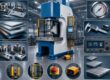
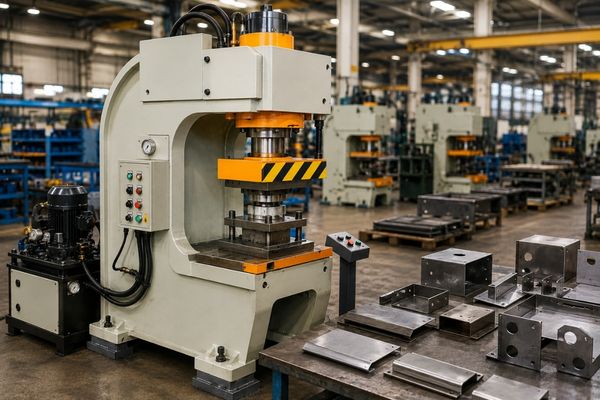
C-Type Hydraulic Press Machines are hydraulic-powered machines designed with a frame shaped similar to the letter C. This structure keeps the front and sides of the working zone relatively open, making it easier to place, remove, and inspect components.
The machine uses hydraulic pressure to move a ram or cylinder downward with controlled force. The workpiece is positioned between the ram and the machine bed. When pressure is applied, the machine performs the required forming, bending, punching, pressing, or assembly operation.
One major benefit of the C-type structure is accessibility. Operators can easily work with different component sizes, dies, fixtures, and tools without facing unnecessary restrictions around the working area.
Why Industries Prefer C-Type Hydraulic Press Machines
Manufacturers need equipment that can perform repeated operations without creating unnecessary delays. C-Type Hydraulic Press Machines offer a useful combination of power, control, and convenient operation.
Their compact construction makes them suitable for factories where available floor space is important. The open working area also supports faster loading and unloading of components.
Hydraulic control allows the machine to apply force gradually. This helps reduce sudden impact on the material and tooling. Depending on machine configuration, operators can control pressing force, stroke, working speed, and return movement for better production consistency.
These advantages make the machine suitable for both continuous production and specialized workshop applications.
Common Applications of C-Type Hydraulic Press Machines
Common applications include:
- Sheet metal bending and forming
- Metal punching operations
- Bearing pressing and removal
- Bush fitting and assembly
- Component straightening
- Press fitting operations
- Riveting and joining
- Embossing and marking
- Light drawing operations
- Metal component shaping
- Electrical component manufacturing
- Automobile part production
Benefits of Using a C Type Hydraulic Press Machine
The open C-frame construction is one of the biggest practical advantages of this machine. Workers can approach the operating area from the front and sides, which simplifies component positioning.
Another benefit is controlled hydraulic force. Instead of delivering uncontrolled mechanical impact, hydraulic pressure can be adjusted according to the material and operation.
C-type hydraulic presses can also help manufacturers maintain consistent production quality. When machine settings and tooling remain properly controlled, repeated components can be produced with better dimensional consistency.
Other important benefits include compact installation, simple maintenance access, flexible tooling options, smooth pressing movement, controlled pressure, and suitability for different industrial components.
Choosing the Right C-Type Hydraulic Press Machines
Selecting the correct press requires more than choosing the highest tonnage available. The machine should match the actual product, material, tooling, and production requirements.
Start by calculating the pressing force needed for the operation. A machine with insufficient force may not complete the job correctly, while an unnecessarily oversized machine may increase investment and operating requirements.
The working bed should also provide enough space for the component and tooling. Check the daylight opening, ram stroke, throat depth, bed dimensions, and approach speed before selecting a machine.
Manufacturers should also consider how frequently the machine will operate. A press used occasionally in a maintenance workshop has different requirements from one running continuously in a production plant.
Hydraulic System and Control Features
The hydraulic system plays an important role in overall press performance. It normally includes components such as the hydraulic cylinder, pump, motor, valves, oil tank, pressure control system, and connecting lines.
A properly designed hydraulic circuit allows smooth ram movement and controlled pressure throughout the pressing cycle.
Modern C-Type Hydraulic Press Machines may also include electrical control panels, digital pressure displays, PLC-based controls, sensors, stroke adjustment, emergency stops, and operator safety systems depending on the required configuration.
Automation can also be integrated when the press is part of a larger production line.
Safety Matters in Hydraulic Press Operations
Industrial presses generate significant force, so safe operating practices are essential. Operators should receive proper training before using the machine.
The work area should remain clear, and hands must never be placed between the tooling during an active press cycle. Emergency stop systems, guards, sensors, and suitable control arrangements should be maintained in working condition.
Tools and dies should also be inspected regularly. Damaged tooling can affect both component quality and operator safety.
Routine inspection of hydraulic hoses, fittings, seals, oil levels, electrical connections, and safety devices helps maintain reliable machine performance.
Maintenance for Better Machine Life
Regular maintenance can reduce unexpected downtime and support consistent production.
Hydraulic oil should be checked for condition and contamination. Filters should be cleaned or replaced according to maintenance requirements. Oil leakage around cylinders, valves, hoses, and connectors should be corrected before it becomes a larger problem.
Operators should also keep the working bed, ram area, and tooling clean. Moving components should receive appropriate lubrication where required.
Regular inspection of pressure settings, electrical controls, fasteners, and safety equipment helps keep the press ready for daily production.
C Type Hydraulic Press Machines for Modern Manufacturing
Manufacturers are increasingly focused on productivity, consistent quality, workplace safety, and flexible production. C-Type Hydraulic Press Machines support these requirements by combining controlled hydraulic force with an accessible working structure.
They can be used in industrial locations such as Ahmedabad, Gujarat, Pune, Rajkot, Mumbai, Chennai, Bengaluru, Delhi, and other major manufacturing regions across India. Their flexibility also makes them suitable for engineering companies serving domestic and export markets.
For businesses planning to upgrade metal forming, pressing, bending, or assembly operations, choosing a machine based on actual production needs can provide better long-term value.
Conclusion
C-Type Hydraulic Press Machines provide a practical solution for industries that require controlled pressing force with easy access to the working area. Their compact structure, flexible operation, adjustable hydraulic pressure, and ability to support multiple manufacturing processes make them suitable for a wide range of engineering applications.
Before selecting a machine, buyers should carefully review tonnage, stroke, bed size, throat depth, operating speed, hydraulic components, tooling requirements, safety features, and future production needs. The right machine can improve productivity, reduce handling effort, and support consistent component quality for years of industrial operation.
Frequently Asked Questions
C-Type Hydraulic Press Machines are commonly used for bending, punching, pressing, straightening, forming, bearing fitting, assembly, riveting, embossing, and other metalworking operations.
The machine uses hydraulic pressure to move a cylinder and ram. The ram applies controlled force to a workpiece placed on the machine bed to complete the required manufacturing process.
They are used in automotive, sheet metal, electrical, engineering, appliance, fabrication, machinery, and general component manufacturing industries.
The correct tonnage depends on the material, thickness, component size, tooling, and required operation. Pressing force should be calculated before selecting the machine.
Its open-front frame provides easy access to the working area. This makes component loading, unloading, tooling changes, and inspection more convenient.
Yes. Depending on production needs, machines can be configured with different tonnage capacities, bed sizes, strokes, controls, tooling, safety systems, and automation features.
Yes. They are commonly used for different sheet metal processes, including bending, forming, punching, pressing, and light drawing operations.
Regular hydraulic oil checks, filter maintenance, leakage inspection, proper lubrication, tooling inspection, electrical checks, and timely servicing can help extend machine life.
Buyers should check machine tonnage, bed dimensions, stroke length, throat depth, daylight opening, hydraulic system, controls, safety features, tooling compatibility, and expected production volume.
Yes, when properly designed for the required duty cycle. For continuous production, buyers should select a machine with suitable hydraulic capacity, cooling, controls, tooling, and automation features.