




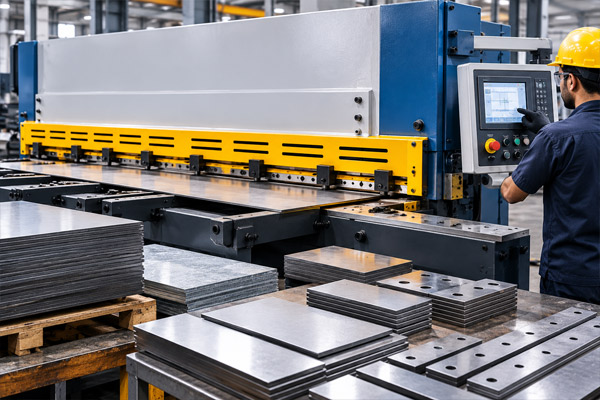
How NC Controls Help Workshops Handle Changing Cut Sizes
A workshop may cut electrical cabinet panels in the morning, machine covers after lunch and small brackets before dispatch. Each order brings different dimensions and quantities. Choosing an NC Hydraulic Shearing Machine Manufacturer starts with understanding how smoothly the machine can handle these changes.
For mixed batch production, cutting speed is only one part of the job. Operators also spend time setting dimensions, checking the first blank and sorting finished pieces. Frequent adjustments can hold up production even when the machine has enough cutting capacity.
NC controls can simplify back gauge positioning and, depending on the controller, store cutting sequences. The buying goal is to match these functions to your daily work rather than pay for features your operators rarely use.
What Makes Mixed Batch Cutting Difficult
Mixed batch cutting means producing several blank sizes in smaller quantities instead of repeating one dimension throughout a shift.
The challenge is keeping the correct settings connected to the correct job. An operator may finish one batch and begin another with the previous dimension still active. Incorrect sheet positioning or unclear job instructions can also create rejected blanks.
A suitable NC machine helps manage positioning, but the workshop still needs clear drawings and inspection steps.
Before buying, record a typical shift. Count dimension changes, setup minutes, accepted blanks and pieces requiring correction. This gives the manufacturer a clearer picture than total cutting volume alone.
How Should You Test Repeatability Across Different Jobs
Repeatability means returning to a setting and producing results within an agreed tolerance. It should be checked through finished blanks, not judged from the controller display alone.
Provide samples representing your regular material grades and thicknesses. Run one size, change to another and then return to the first setting.
Measure several blanks from each batch. Check dimensions at different points, squareness, burrs and distortion.
| Trial Stage | What to Check |
| First setup | Time taken to produce an accepted blank. |
| Repeated cuts | Consistency within the batch. |
| Dimension change | Ease of entering the next job. |
| Return to earlier job | Results after recalling the setting. |
| Narrow strip cutting | Bowing, twisting and handling. |
| Batch completion | Accepted quantity and sorting time. |
Agree on acceptance limits before testing. Keep measured samples as a reference for delivery inspection.
Which Controller Features Help With Frequent Job Changes
A useful controller should make common tasks easy for the person running the machine.
During a demonstration, ask an operator to enter a dimension, change the quantity and return to an earlier job. Check how clearly the screen displays the active settings.
Discuss these functions with the manufacturer:
- Back gauge positioning and travel range
- Number of stored programs and steps
- Job naming or identification options
- Batch counting, where available
- Procedures for correcting an entry
- Recovery after power interruption
- Access to controller support
More functions do not always mean faster work. Choose controls that suit the operator’s experience and the workshop’s actual cutting sequence.
What Does an NC Hydraulic Shearing Machine Control
An NC hydraulic shearing machine uses hydraulic force to move the cutting blade. Numerical controls commonly manage back gauge positioning, while other functions vary by model.
The back gauge provides a reference for the required cut dimension. Motorised positioning can reduce the need to adjust it manually between jobs.
Some controllers may offer program memory, batch counting or cutting sequences. Ask which functions are included in the quoted model.
NC does not automatically mean complete production automation. Sheet loading, alignment, inspection and unloading may still require operator involvement. Confirm the actual operating process during a demonstration.
Why Do Material Changes Need Separate Settings
A stored cutting dimension does not mean every other setting is suitable for the next material.
Mild steel, stainless steel and aluminium can require different blade clearances and operating adjustments. Thickness and material strength also affect permitted cutting capacity.
Ask the NC hydraulic shearing machine manufacturer to confirm capacity for each material grade you use. Avoid treating a mild steel rating as a universal rating.
Operators should follow the machine’s recommended setting procedure when changing materials. If adjustments are manual, include that time when comparing production performance.
Confirm which settings the controller manages and which the operator must check separately.
What Should a Manufacturer Include in the Proposal
A proposal should explain how the selected machine suits your job mix.
Share material grades, thicknesses, maximum cutting length, required tolerances and expected batch sizes. Include the number of dimension changes during a normal shift.
Request written details of the machine capacity, controller functions, back gauge specification and supplied accessories.
Also confirm:
- Guarding and safety devices
- Installation requirements
- Operator training scope
- Warranty coverage and exclusions
- Controller and spare parts support
- Freight and unloading responsibilities
- Delivery and commissioning schedule
For workshops in Ahmedabad and Gujarat, clarify who provides service and how visits are arranged. Ask specific questions about support rather than relying only on the manufacturer’s location.
Can Better Sheet Handling Improve Output
A workshop can lose time moving sheets even when back gauge positioning is quick.
Large sheets may need suitable support during loading and alignment. Small blanks need a collection method that helps prevent damage or confusion between batches.
Discuss table support, squaring arms and available handling accessories with the manufacturer. Check the floor space required around the machine, including room for loading and maintenance.
Clear job labels also help. Keep each batch with its drawing, material details and inspection status. This makes the next bending or welding process easier to organise.
Conclusion
An NC hydraulic shearing machine should make changing jobs easier while producing blanks that meet your requirements. Compare setup time, repeatability, material adjustments and sheet handling alongside cutting capacity.
When requesting a quotation from Presstech Machine India, provide a typical mixed batch schedule and representative drawings. Ask for a demonstration that includes changing dimensions and returning to an earlier job. This gives you a practical basis for choosing the machine.
Frequently Asked Questions
It can be suitable when small batches involve frequent dimension changes. Motorised back gauge positioning may simplify setup. Compare the time saved against the additional investment using your actual job sequence.
Send material grades, thicknesses, sheet sizes, blank drawings and required tolerances. Include typical batch quantities and daily dimension changes. These details help the manufacturer recommend suitable capacity and controls.
Some NC controllers offer program storage, but memory capacity and supported functions vary. Ask for a demonstration of saving, identifying and recalling a job. Confirm which settings remain manual.
Arrange a trial with your material and agreed tolerances. Measure repeated blanks, change dimensions and return to the original setting. Check finished parts rather than relying only on displayed back gauge values.
Compare the functions of the actual models offered. Control labels alone do not explain capability. Choose according to required adjustments, job complexity, operator needs and the production benefit shown during a trial.
Request training on job entry, back gauge positioning, first-piece inspection and approved adjustments. Training should also cover safe operation, routine maintenance and fault reporting according to the supplied machine manual.
Confirm the final specification, controller, accessories, acceptance criteria and delivery schedule in writing. Review payment terms, installation scope, warranty exclusions and service arrangements. Ensure the quotation reflects the configuration demonstrated.